
Finding the best neuro-ophthalmologist in Gurgaon is important for those living with complex eye and nerve problems. At Noble Eye Care Super Specialty Hospital, our experts focus on helping people with vision concerns that seem connected to brain or nerve issues.
From advanced diagnosis to modern treatments methods, our neuro-ophthalmology uses years of training and precise tools to manage even rare eye conditions. If good vision and specialist care matter, choosing a trusted place is key. Noble Eye Care offers thoughtful and advanced options, right in the heart of Gurgaon.
What Is Neuro-Ophthalmology?
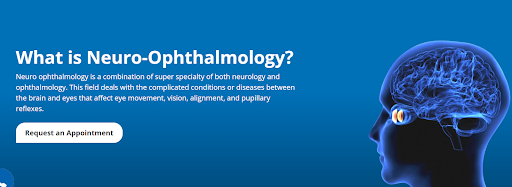
Neuro-ophthalmology is a super-specialty that combines neurology and ophthalmology, dealing with conditions that affect both the eyes and the brain. It covers problems that may not start in the eye, but affect sight and eye movements through brain or nerve issues. This is important because symptoms often confuse people and hide their real cause.
- Covers diseases where vision loss or double vision comes from nerves, the brain, or muscles.
- A neuro-ophthalmologist in Gurgaon often works with other doctors for better care.
- Some patients feel changes in vision, strange eye movements, or even trouble moving the eyelids.
- Early neuro-ophthalmology treatment helps protect eyesight and improve daily life.
Common Conditions Are Treated by Our Neuro-Ophthalmologists
1. Optic Nerve Disorders
Optic nerve disorders may lead to sudden or slow vision loss. Inflammation, called optic neuritis, or lack of blood flow, called ischemic neuropathy, both need a skilled neuro-ophthalmology doctor. Blurred vision or pain with eye movement are sometimes the first signs.
2. Double Vision
Double vision, or diplopia, is more than just an eye complaint. It might be a problem with how the nerves tell the eye muscles to move. A neuro eye doctor finds out if it’s linked to nerve palsy, brain injury, or muscle weakness. Getting the right diagnosis changes everything.
3. Visual Field Loss
Some people lose parts of their field of vision, seeing blank spots or dark patches. This could point to problems in the brain or in the path the optic nerve travels. The best neuro-ophthalmologist checks for stroke, tumours, or nerve swelling carefully.
4. Eyelid and Pupil Disorders
When eyelids droop or pupils act strangely, it often surprises patients. Droopy eyelids (ptosis) and abnormal pupil reactions may signal nerve issues, not just tired eyes. Quick action helps avoid long-term trouble.
5. Eye Movement Disorders
Nystagmus or jerky eye movements confuse and bother many. This is sometimes due to nerve disease, muscle weakness, or brain conditions such as multiple sclerosis. Neuro-ophthalmology focuses on getting to the heart of these odd symptoms.
Best Neuro-Ophthalmology Hospital for Children’s Eye Care Near You
When it comes to your child’s vision and neurological health, expert care makes all the difference. Noble Eye Care Super Specialty Hospital is one of the top pediatric neuro-ophthalmology centers in Gurgaon and Delhi NCR, offering advanced diagnosis and treatments for children with complex eye and brain-related visual issues.
Our pediatric neuro-ophthalmology team specializes in identifying and managing conditions that link the eyes, brain, and nerves, ensuring that children receive gentle, accurate, and timely care.
Key Highlights of Our Pediatric Neuro-Ophthalmology Care
- Expert Neuro-Ophthalmologists: Specialists trained at AIIMS, New Delhi, with years of experience in pediatric eye and nerve disorders.
- Advanced Diagnostic Facilities: Equipped with the latest visual field analyzers, OCT imaging, and neuro-imaging support for precise assessments.
- Patient-Friendly Approach: A calm, comfortable, and safe environment to make every visit stress-free for Patients and Care-Givers.
- Comprehensive Treatment: Covers optic neuritis, eye movement disorders, double vision, visual pathway issues, and more.
- Collaborative Care: Close coordination with Adult and Pediatric neurologists and other specialists for holistic management.
Families searching online for a “neuro-ophthalmology hospital near me” or “best neuro-ophthalmologist for kids in Gurgaon” often choose Noble Eye Care for its compassionate approach and proven results in restoring and protecting children’s vision.
Common Causes of Neuro-Ophthalmic Disorders
1. Inflammatory Diseases
Conditions such as optic neuritis happen when the immune system mistakenly attacks the nerves. It causes pain and often a sudden loss of vision. Early detection and treatment can prevent lasting damage.
2. Vascular Disorders
Problems with blood vessels, like stroke, blood clots, or poor blood supply, can hurt the nerves linked to the eye. These often cause vision changes quickly and need urgent neuro-ophthalmologist near me care.
3. Tumours and Mass Lesions
Tumours, whether benign or cancerous, may press on the optic nerve or brain. Symptoms grow slowly, but should never be ignored. Timely care stops worse problems down the line.
4. Trauma
Some major Injuries to the head, eye, or face sometimes harm nerves and disrupt vision. If vision changes after a fall or accident, neuro-ophthalmology doctors are best suited for proper recovery.
5. Hereditary and Degenerative Disorders
Some people get neuro-ophthalmic problems from genetic conditions or as the brain ages. Slow vision loss or movement issues often hide until a careful exam spots them.
Neuro-Ophthalmology Treatments Available at Noble Eye Care Center
1. Medications
Drugs can reduce nerve inflammation, improve nerve signals, or treat underlying diseases. Steroids often work for optic nerve inflammation, while other drugs handle immune or blood vessel issues.
2. Surgery
When tumours or swelling press on nerves, surgery relieves pressure. Careful surgical work may remove growths, repair nerves, or restore blood flow, giving sight a fresh chance.Our Neuro-ophthalmologists have vast experience in performing Optic Nerve sheath fenestration surgery.
4. Vision Therapy
Therapists help train the eyes to work better, especially after nerve damage. This helps with double vision, eye movement problems, or adjustments after surgery by a neuro-ophthalmologist in Gurgaon.
5. Lifestyle Adjustments
Not all treatment is high-tech. Managing diabetes, blood pressure, or avoiding smoking helps prevent eye nerve trouble. Regular check-ups with a neuro eye doctor reduce risks.
6. Advanced Technologies
Some patients need cutting-edge treatments, such as injections, special glasses, or even Botox for muscle disorders. Neuro-ophthalmology uses each new tool as research grows.
How Neuro-Ophthalmic Conditions Are Diagnosed By Our Experts
1. Detailed Medical History
The best neuro-ophthalmologist begins with thorough questions. Family history, past illnesses, and even minor vision changes can hold the first clues.
2. Eye Examinations
Special machines check nerve function, field of vision, and detect swelling. These exams go deeper than standard vision tests and are handled by highly skilled neuro-ophthalmology doctors.
3. Imaging Tests
Sometimes, brain MRIs, CT scans, or special eye scans are needed to see nerves and brain structures. This helps find causes missed by basic exams alone.
4. Blood and Nerve Tests
These check for infections, immune diseases, or unusual nerve signals. Sometimes these tests catch rare diseases.
5. Cross-Specialty Consultation
Sometimes, a neuro-ophthalmologist near me will ask other specialists for help. This can include neurologists or radiologists who add more ideas to the diagnosis.
Why Choose Noble Eye Care Super Specialty Hospital
Choosing the right hospital for your child’s eye care is crucial and Noble Eye Care stands apart for its excellence in pediatric and neuro-ophthalmology.
We blend advanced medical expertise, cutting-edge technology, and personalized care to ensure every child receives the best possible treatment.
What Makes Noble Eye Care the Preferred Choice
- Super Specialty Facility: Comprehensive eye care under one roof — from pediatric to neuro-ophthalmology and surgical treatments.
- Highly Qualified Doctors: Led by experienced specialists trained at AIIMS, New Delhi.
- Modern Equipment: Advanced diagnostic and surgical technologies for safe, accurate results.
- Pediatric-Focused Care: Clinics designed to make children feel comfortable during consultations and tests.
- 24x7 Emergency Eye Services: Immediate attention for urgent eye conditions or trauma cases.
- Convenient Location: Easily accessible for families across Gurgaon and Delhi NCR.
- Online Appointment Facility: Book your visit anytime through nobleeyecare.in/appointment/.
At Noble Eye Care Super Specialty Hospital, we don’t just treat eyes, we nurture your child’s vision for life.
Schedule a Consultation with Noble Eye Care Today
If vision, eye movement, or nerve concerns are a worry, it’s best not to wait. Book an appointment with Noble Eye Care to see a neuro eye doctor quickly. The right answers save vision and solve strange problems fast. Call and let the team guide each step, from the first exam to full recovery. At Noble Eye Care, skilled care for neuro-ophthalmic needs is ready and waiting, right here in Gurgaon.