
Early Signs of Retina Damage: Causes, Symptoms & Care Tips
One of the most crucial components of the eye is the retina, which turns light into the brain’s interpretive signals and vision. Knowing what the retina is and what the function of the retina is important in mitigating vision loss. Most people do not notice early retina damage warning signs due to the stealthy nature of retinal disorders. Being aware of the damage warning signs, like subtle floaters, blurry vision in the centre, and sudden light flashes, can help prevent damage to your vision.
The following detailed guide is designed to clarify to the reader what is the retina of the eye and guide to the many symptoms of retinal issues, causes of damage, treatment and care tips, and aid from a retina specialist.
|
Content of The Article |
What Is the Retina?
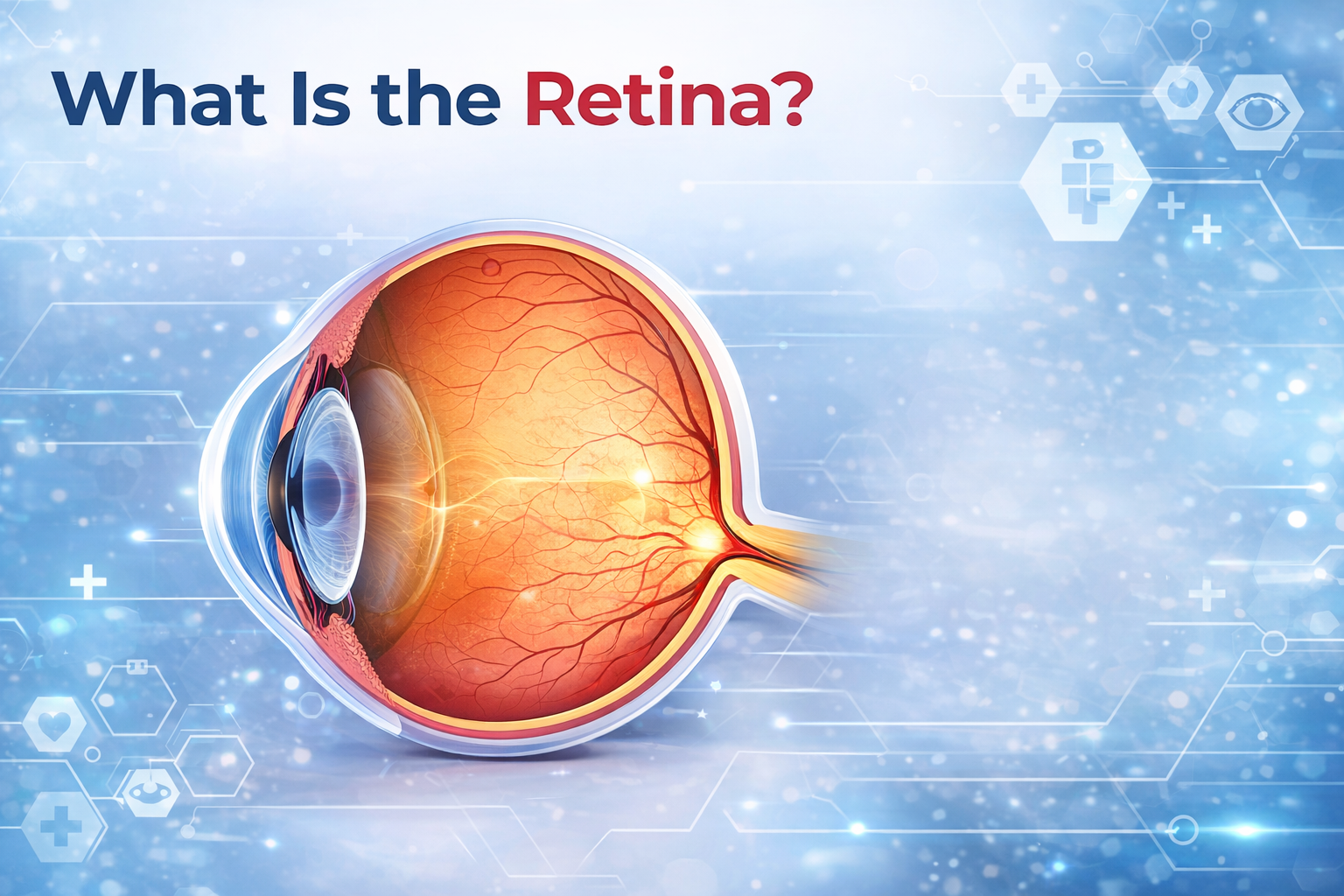
Light-sensitive tissue that is thin and that is lined at the back of the eye is referred to as the retina. When the eye receives light, the retina transforms that light into electrical signals that are sent to the brain through the optic nerve. This is the process that allows the brain to identify images, shapes, colours, and movements.
What Is the Function of the Retina?
The retina is a thin, light-sensitive layer located at the back of the eye, and its main function is to convert light into visual signals that the brain can understand.
- Detects light entering the eye.
- Converts light into electrical signals using photoreceptor cells (rods and cones).
- Sends visual information to the brain through the optic nerve.
- Helps form clear images, including color, shape, and movement.
- Supports vision in different lighting conditions (bright light, dim light, and night vision)
What Is the Retina of the Eye?
Essentially, the retina of the eye functions as the ‘camera film’ of the visual system. It is responsible for capturing images and transmitting them to the brain for further processing. If there is any damage to the retina, this system breaks down, and the images that are perceived by the brain become blurry, distorted, or exhibit only portions of the intended visual. Damage to this tissue results in permanent loss, making early identification of the condition essential.
Difference Between Retina and Cornea
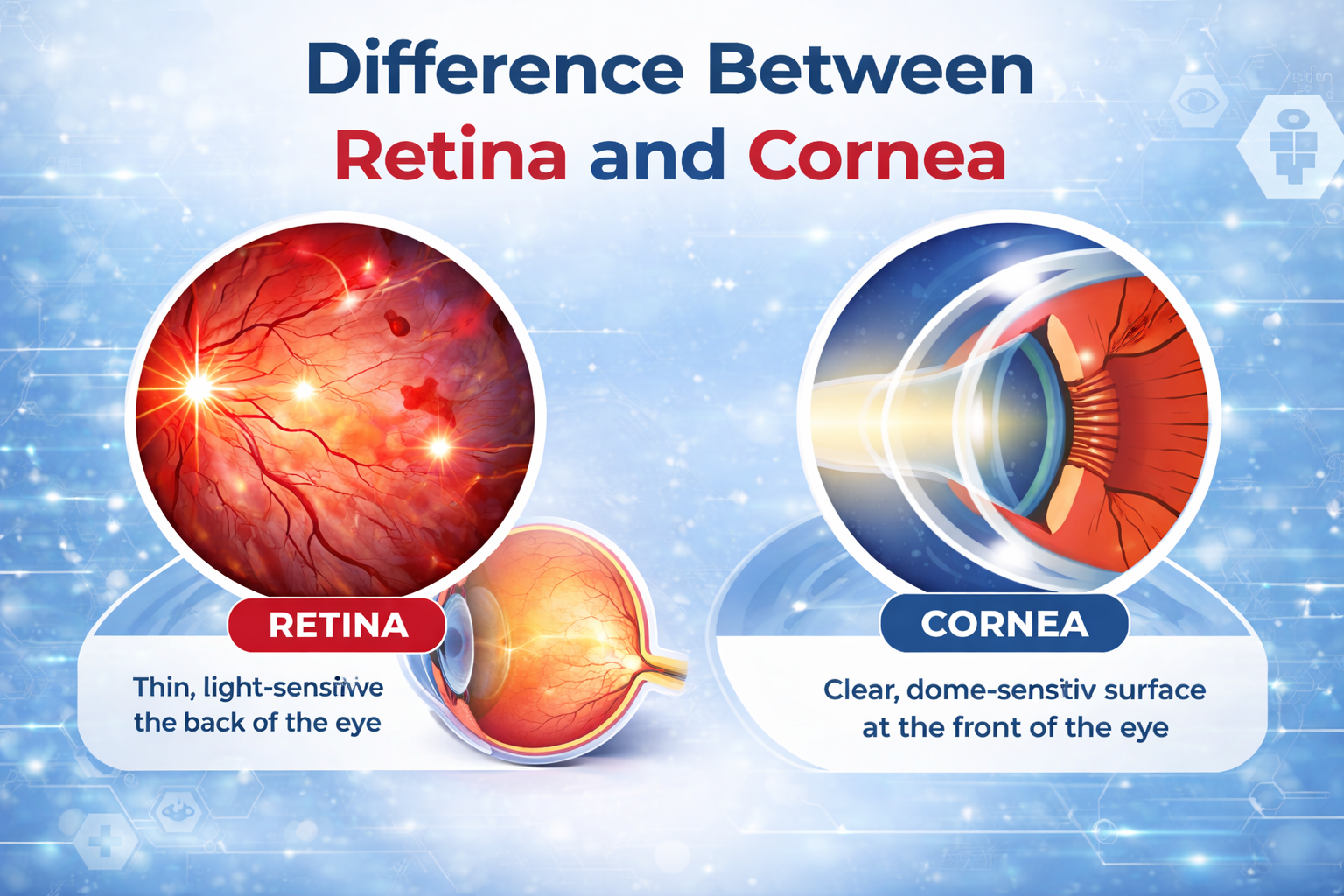
The retina and cornea are both essential parts of the eye, but they serve very different roles in vision.
| Feature | Cornea | Retina |
| Location | Outermost transparent, dome-shaped layer at the front of the eye | Inner light-sensitive layer located at the back of the eye |
| Function | Bends (refracts) incoming light to help focus it | Converts light into electrical signals for the brain |
| Role in Vision | Provides most of the eye’s focusing power | Sends visual signals to the brain to form images |
| Structure | Clear, tough tissue with no blood vessels | Thin layer of nerve cells, rods, and cones |
| Sensitivity | Highly sensitive to touch but not to light | Sensitive to light but not to touch |
| Common Issues | Keratitis, corneal abrasions, refractive errors | Retinal detachment, diabetic retinopathy, macular degeneration |
In simple terms, the cornea beams light while the retina stops and beams light.
Early Retina Damage Symptoms
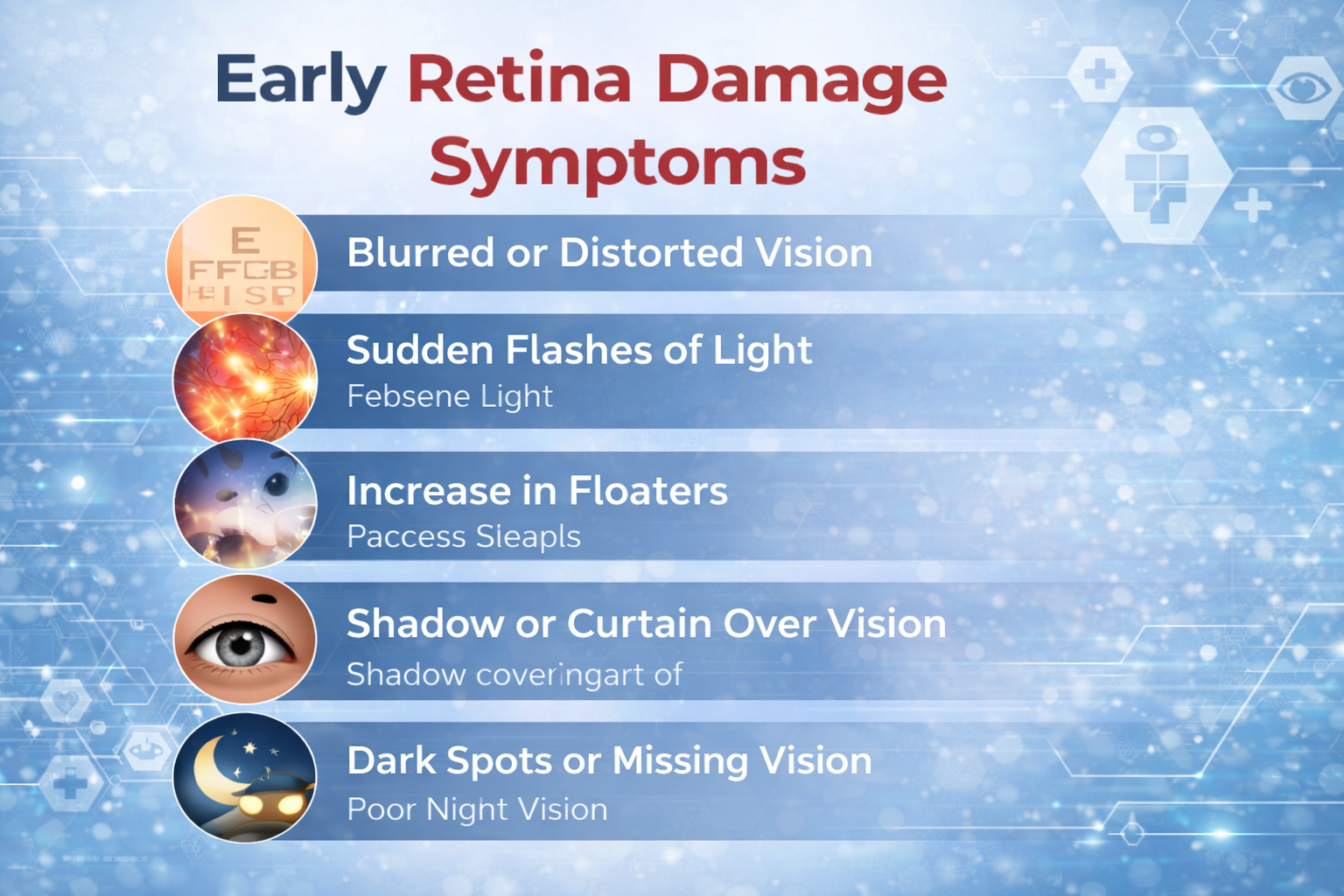
Retinal issues are likely to be painless, which complicates the situation in terms of the early retina damage symptoms being mentioned here that you will never want to overlook.
- Blurred or Distorted Vision: In some earlier cases of vision problems, lines may be wavy or look hazy. Blurred vision or distorted vision can be one of the signs of problems like diabetic retinopathy.
- Sudden Flashes of Light: Retinal flashes can be a sign of problems like vitreous traction or even retinal detachment, especially in low-light scenarios.
- Increase in Floaters: In many cases, a warning sign of a retinal tear can be an increase in floaters.
- Shadow or Curtain Over Vision: Retinal detachment is a major medical emergency that needs to be addressed once the symptoms show. This is the sign of a curtain or shadow over the vision.
- Dark Spots or Missing Vision: Spotty or missing vision, even centrally, could indicate damage to your macula or diabetic retinal damage.
- Poor Night Vision: Not being able to see or struggling to see when the light is low can indicate a weakness or problem with the cells responsible for vision in low light, the cells in your retina that are sensitive to light.
- Sudden Vision Loss: Vision loss, either partially or fully, is a serious concern and needs to be looked at as soon as possible.
Seek help and see a retina doctor with the symptom that aligns with the list given.
Causes of Retina Damage
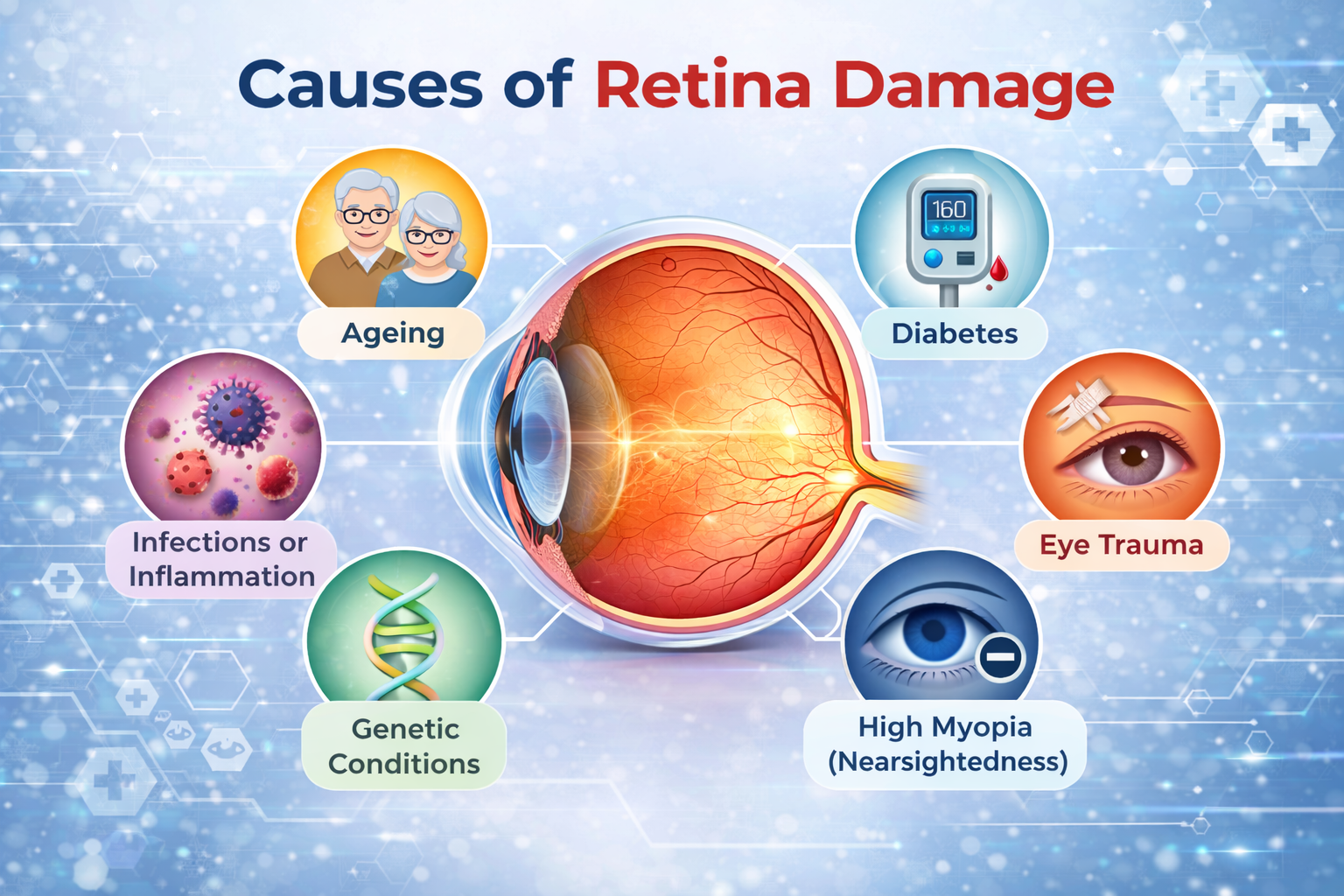
Retina damage can occur as a result of various causes. Common causes:
1. Ageing
Ageing causes a naturally occurring retinal condition known as age-related macular degeneration (AMD). As retinal tissues weaken, vision decreases. This is due to lower blood flow, oxidative stress, and cellular degeneration. A healthy lifestyle and regular checkups can delay the retinal deterioration and help to retain vision for as long as possible.
2. Diabetes
Diabetes can cause severely damaging retinopathy. It entails high blood sugar for prolonged periods which causes weak and leaking blood vessels in the area of the retina. This leads to swelling, bleeding, and scarring. Severe problems can be avoided with early detection, regular retinal examinations, and strict glycaemic control.
3. Eye Trauma
Eye injuries are common causes of retinal problems which can range from tears to complete detachment. Internal injuries can also go unnoticed, even after what seems to be a minor trauma. Common triggers include blunt force, sharp objects, and sports. Sudden onset medical attention is crucial to avoid long term damage and to keep vision stable.
4. High Myopia (Nearsightedness)
Extreme myopia results in the eye becoming elongated, which causes the retina to stretch and become thinner. This makes it more likely to experience retinal tears, detachment and holes. High myopic eyes are also more likely to suffer from macular degeneration. Augmented spectacle prescriptions mean regular retinal assessment scans should become more routine in order to identify complications and reduce the risk of sudden vision loss.
5. Hypertension
Hypertension can have an adverse effect on the small retinal blood vessels, causing something known as hypertensive retinopathy. In the long run, blood vessels might become narrowed, thickened, or start to leak. This can lead to a decrease in vision quality and affect blood flow. Uncontrolled high blood pressure increases the chances of developing edema or bleeding in the eye, as well as retinal ischemia. Good blood pressure management is essential to good retinal health in the long run.
6. Genetic Conditions
Inherited retinal degenerative disorders lead to a gradual decline in the functioning of the retina, and examples of these are Stargardt disease and retinitis pigmentosa. These disorders contribute to the progressive loss of vision through the damage of light-sensitive photoreceptor cells. Genetic components are also very significant in these conditions. Early monitoring of the condition can also assist in tracking the rate of progression. While these disorders cannot always be cured, management of them can often be useful in slowing the rate of deterioration and improving the quality of life.
7. Infections or Inflammation
Conditions such as Uveitis and other inflammatory conditions can be a detriment to the functioning of the retina. Inflammation can cause the retina to swell and leak as it start to tissue damage which can cause visions to be blurred or distorted. Unsymptomatic Uveitis can be detrimental to the retina as it can cause permanent scarring. The only way to avoid severe repercussions of the inflamed retina along with the conditions above is early diagnosis and treatment. Along with proper treatment and observation, the retina can be saved along with avoidance of other complications.
What is a Retina Specialist?
When you search the internet for a retina specialist near me, you find ophthalmologists who have received additional training for diagnosing and treating retinal diseases. Such a specialist:
- Completes thorough evaluations of the retina
- Discovers the initial signs of retinal tears, detachment, and macular sufferings
- Administers advanced therapy like injections, lasers, and surgical procedures
- Observes progressive diseases such as diabetic retinopathy
Their expertise is fundamental in ensuring no irreversible loss of vision occurs.
What are the Major Types of Retina Surgery?
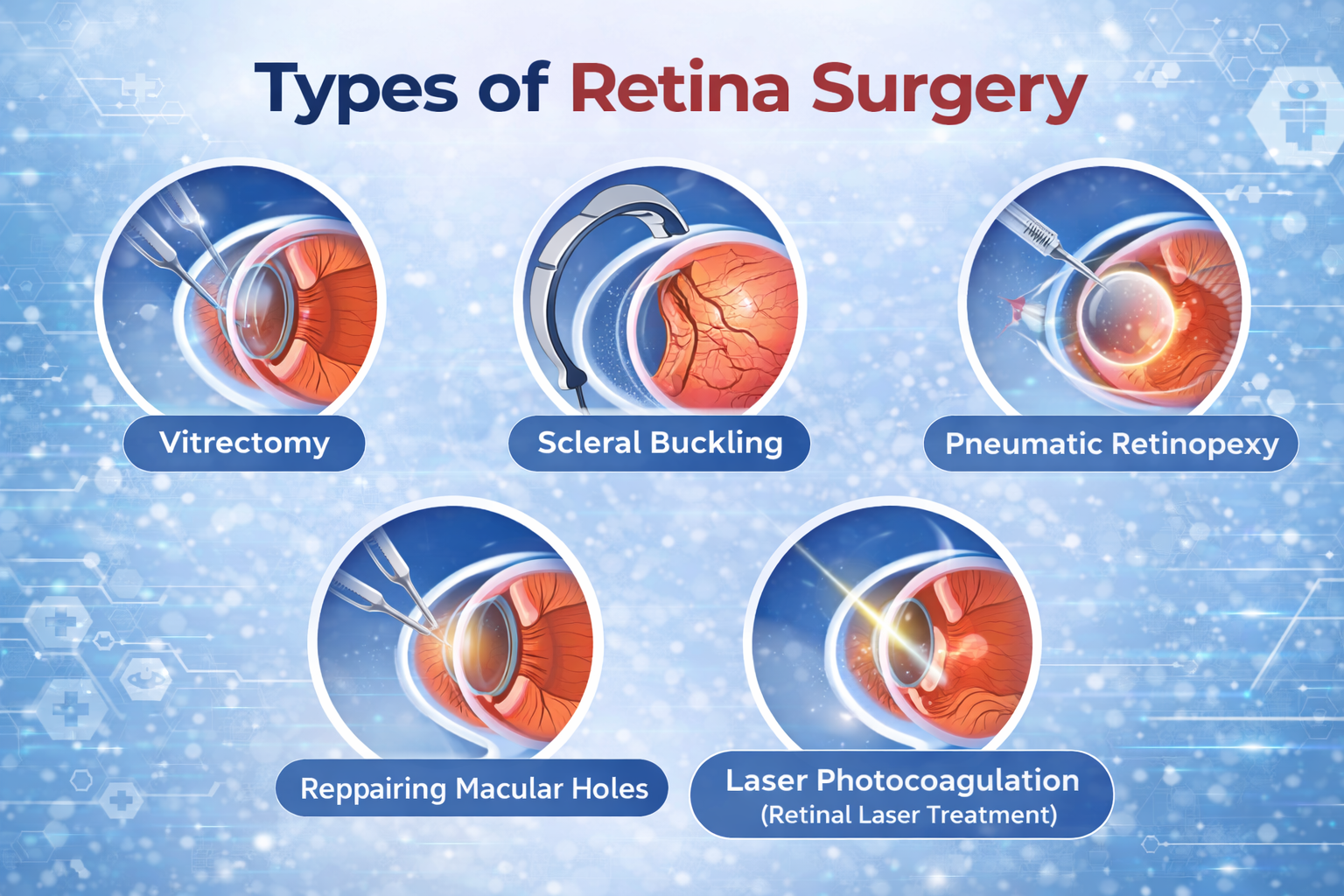
Several surgical approaches are available depending on the condition. Here are the most common types of retina surgery:
1. Vitrectomy
Vitreous Gel Removal. The eye surgeon removes the vitreous gel to access the retina. Vitrectomy is commonly performed to repair retinal detachment, treat macular holes, remove scar tissue, or clear blood in cases of diabetic retinopathy. The gel is removed to allow the surgeon to work on the retina in order to restore vision.
2. Scleral Buckling
Silicone band placement. This is a traditional and effective surgery for retinal detachment. Scleral buckling involves placing a silicone band around the eyeball to gently push the eye inward. This reduces the traction on the retina allowing it to reattach. This is particularly effective for certain types of tears in the retina and long-standing detachments.
3. Pneumatic Retinopexy
Gas bubble injection. Pneumatic retinopexy is the least invasive way to treat a retinal detachment. The surgeon injects a small gas bubble into the eye which gently moves the retina back into its proper position. After this, laser or cryotherapy is used to seal the tear. This method is associated with a quicker recovery and is commonly performed for uncomplicated, superior retinal detachments.
4. Repairing Macular Holes
To find and close holes in the macula (the area of the retina that gives you sharp, central vision), the surgeon must do vitrectomy, and, perhaps, peel a thin membrane that might be causing the traction. Sealing the hole is done with a gas bubble. Being able to do this successfully will result in being able to see (read) in much more detail.
5. Laser Photocoagulation (Retinal Laser Treatment)
Laser photocoagulation (or laser surgery) is the most common procedure used to treat tears in the retina and to control the growth of abnormal blood vessels (and, therefore, further complications) in the retina that occur in diabetic retinopathy, retinal vein occlusions, and early tears in the retina. This procedure involves the use of a laser to create a series of small burns that stabilize the retina and significantly decrease the chances that vision-compromising complications will occur. This is a very important preventative procedure.
The recommendation of various surgeries depends on the type and extent of the retinal problem.
Retina Laser Treatment
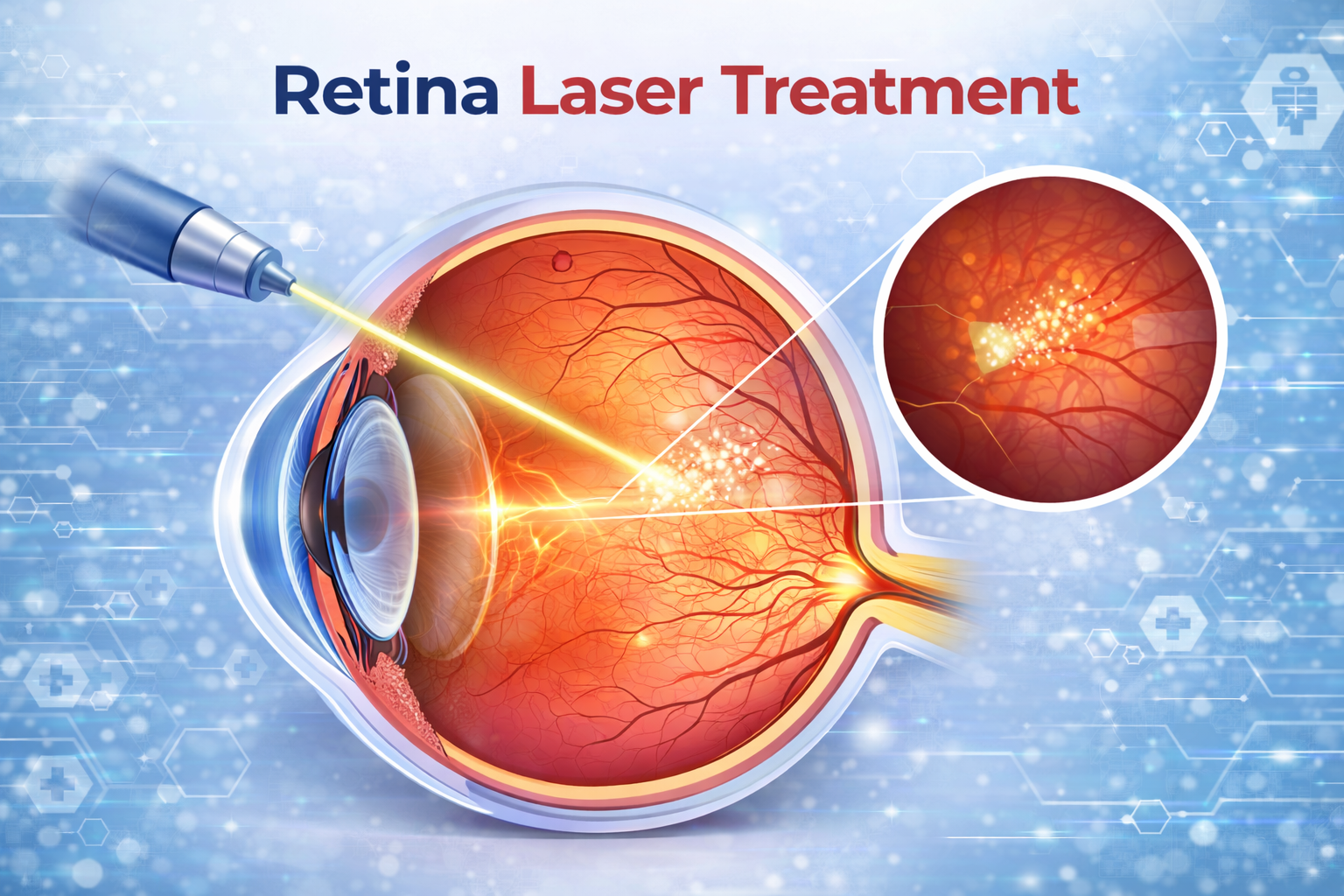
Retina laser treatment is often done for:
- Diabetic retinopathy
- macular edema
- Vascular blockages
- Retinal tears
With laser treatment, small burns are made to seal tears and prevent leakage of fluids to obstruct further vision loss. Treatment is outpatient and minimally invasive.
Risk Factors for Retina Damage
Some individuals are at a significantly higher risk:
- Family history of retinal disorders
- Chronic Inflammation
- Previous eye surgeries
- Severe nearsightedness
- High blood pressure
- Diabetes
- Smoking
If you are in any of these categories, you should get eye exams regularly.
Care Tips to Protect Your Retina
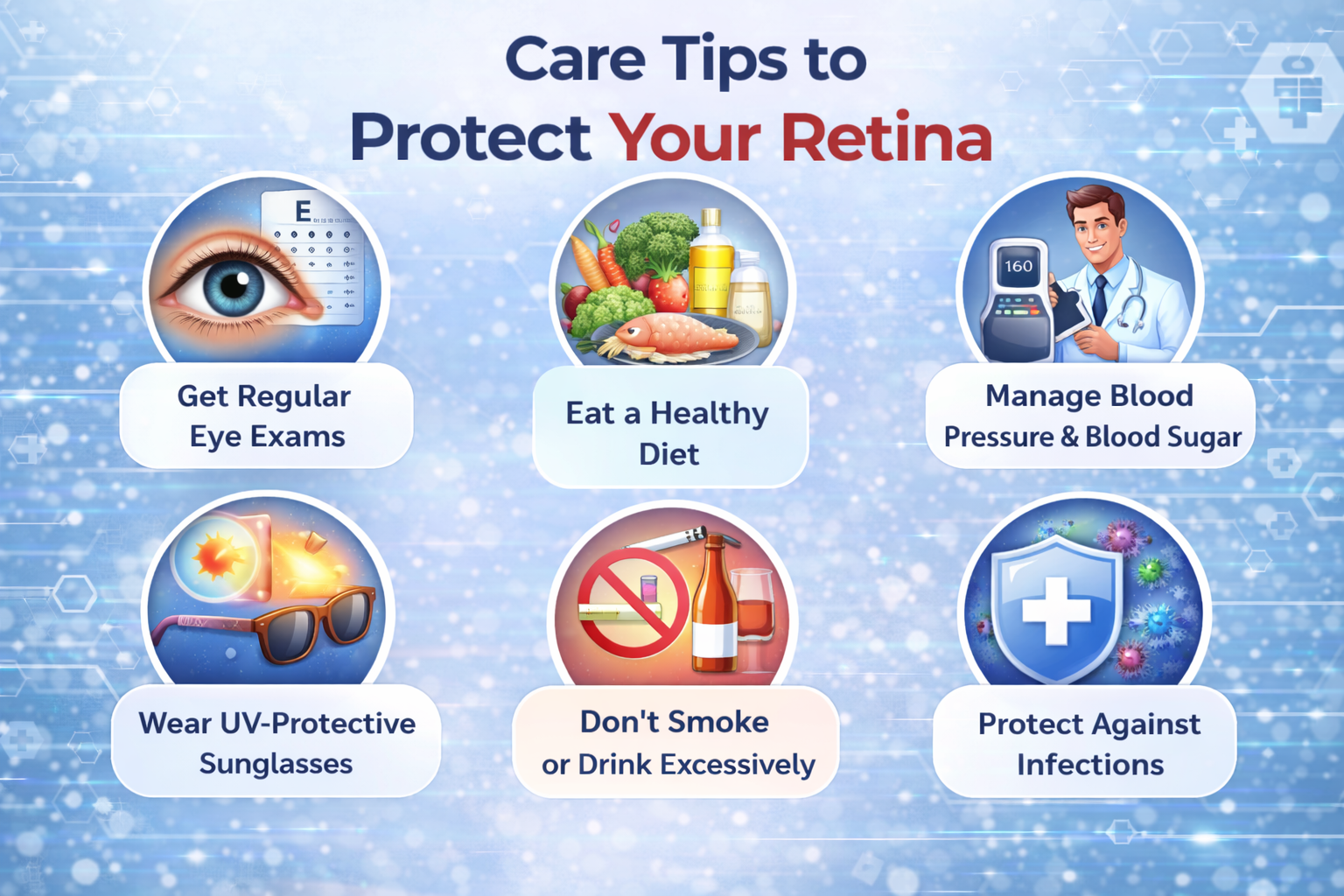
You can lessen your risk of damage to your retinas if you practice these simple activities.
1. Schedule Regular Eye Exams
Retinal changes can often remain unnoticed for a while. This is why getting an eye checkup at least once a year is necessary. People with myopia or diabetes should have them more frequently.
2. Maintain Healthy Blood Sugar and Blood Pressure
Keeping your blood sugar and blood pressure within healthy limits is crucial for preventing diabetic retinopathy and retinal damage. High sugar levels weaken retinal blood vessels, while uncontrolled blood pressure increases the risk of bleeding and swelling. Regular monitoring, proper medication, and lifestyle changes help protect the retina and maintain long-term eye health.
3. Wear UV-Protective Sunglasses
UV rays accelerate retinal degeneration and increase the risk of macular damage. Wearing UV-protective sunglasses shields your eyes from harmful ultraviolet exposure, especially when outdoors for long periods. Good sunglasses also reduce glare, improve comfort, and preserve visual clarity. Consistent protection helps prevent retinal stress and supports better long-term eye health.
4. Eat a Retina-Friendly Diet
A nutrient-rich diet supports strong retinal function and prevents early degeneration. Foods high in omega-3 fatty acids, vitamin A, lutein, and zeaxanthin nourish the retina and protect it from oxidative damage. Include fish, leafy greens, carrots, and eggs in your meals. These nutrients enhance visual performance, reduce inflammation, and help maintain overall eye health.
5. Avoid Eye Rubbing
Frequent or forceful eye rubbing puts unnecessary pressure on the retina and increases the risk of microscopic damage. It may worsen existing eye conditions, cause irritation, or lead to inflammation. If your eyes feel itchy or tired, use lubricating eye drops instead. Avoiding eye rubbing helps protect delicate retinal tissues and maintains healthier vision.
6. Protect Your Eyes from Trauma
Physical injury is a major cause of retinal tears and detachment. Wearing protective eyewear during sports, construction work, or high-risk activities significantly lowers the chance of trauma. Safety glasses act as a shield against impact, debris, and sharp objects. Taking small preventive steps can safeguard the retina from severe and irreversible damage.
7. Monitor Vision Changes
Monitoring your vision helps detect early retinal problems. Using an Amsler grid regularly can reveal subtle changes in your macula, such as distortions or blurred spots. If you notice lines appearing wavy or missing, consult an eye specialist immediately. Early detection ensures timely treatment, reducing the risk of permanent vision loss.
When to See a Retina Specialist
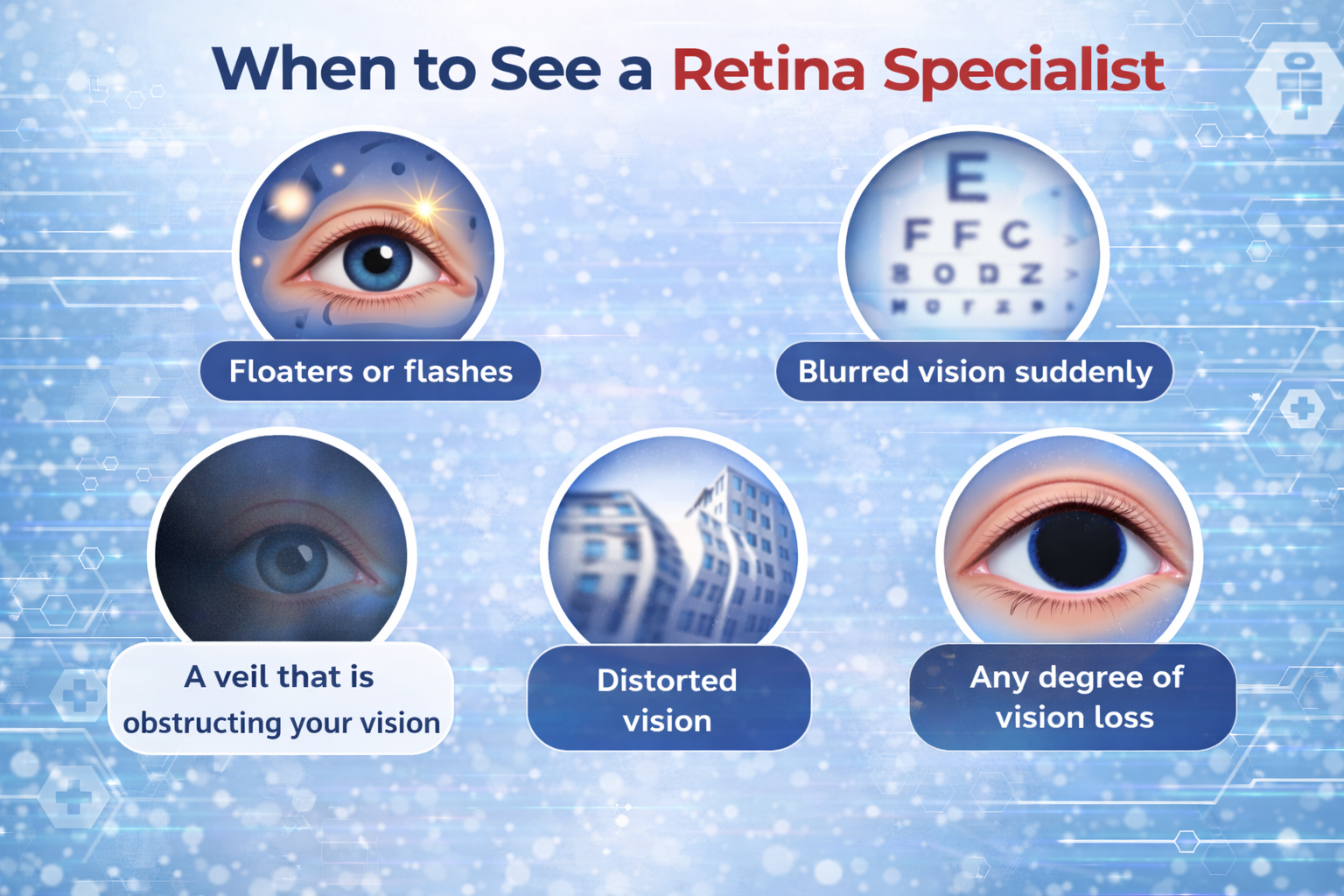
You should seek attention immediately when you have:
- Floaters and/or flashes: Floaters are small specks drifting in one’s field of view while flashes are sudden bright lights. Both symptoms occur because the retina is being disturbed. In most cases, these symptoms are benign, but if they are persistent and prolonged, they can indicate more serious retinal issues.
- Blurred vision suddenly: Sudden and unexpected blurred vision can indicate an issue with the retina and potentially the other structures of the eye. It can be due to retinal swelling, bleeding, or detachment. Other symptoms can worsen if medical attention is delayed and may lead to permanent vision loss.
- A veil that is obstructing your vision: When vision is obstructed by a curtain-like or veil-like formation, this suggests a retinal detachment and is a classic and vision threatening symptom. It means that the retina is positioned in a highly abnormal, medically concerning manner. This is an emergency that can lead to loss of eyesight.
- Distorted vision: When straight lines appear wavy or objects appear warped, that often indicates problems in the macula, the central area of the retina. Conditions that can cause such symptoms include macular edema and macular holes. The sooner we detect them, the easier it is to treat and preserve central vision, avoiding chronic central vision loss.
- Any degree of vision loss: Do not ignore any amount of vision loss, even when it is slight or partial. Loss of vision can be quickly caused by any of the following: retinal tear, detachment, bleeding, or swelling. If retinal conditions are the cause, untreated vision loss will get worse rapidly, and even with prompt treatment, there is little hope to salvage vision.
Waiting to seek attention can result in permanent injury to the retina.
Also Read: When to See a Neuro-Ophthalmologist: Signs & Symptoms
Noble Eye Care: Expert Retina Care You Can Trust
For anyone searching for a trusted retina specialist near me, Noble Eye Care offers advanced diagnostic and treatment facilities for all retinal conditions. Their retina team has significant expertise in handling complex eye conditions such as diabetic retinopathy, macular degeneration, retinal detachment, and more. They provide cutting-edge solutions, from retina laser treatment to advanced retinal surgeries, ensuring that patients receive timely and accurate care. With personalized treatment plans, modern imaging technologies, and patient-focused care, Noble Eye Care stands out as a leading centre for retinal health. Whether you are noticing early symptoms or need long-term management, Noble Eye Care offers comprehensive support for preserving your vision.
Conclusion
Retinal conditions progress silently, making regular eye checkups and protective habits extremely important. Modern treatments, including retina laser treatment and advanced retinal surgeries, offer hope when conditions are detected early. If you notice any retina problem symptoms, consult a retina specialist promptly to safeguard your eyesight. With expert care centres like Noble Eye Care, comprehensive and reliable retinal care is accessible when you need it most.
FAQs About Retina Damage
Some early retinal issues, like small tears, can be treated effectively with timely retina laser treatment. Conditions caused by inflammation or diabetes may also improve with medication or injections. However, advanced damage may require surgery. Regular checkups, knowing what retina health is, and early intervention offer the best chances to preserve vision.
Maintain good blood sugar control, eat a balanced diet rich in antioxidants, protect eyes from UV light, avoid smoking, and get regular eye checkups.
You should consult a retina specialist near me immediately if you notice persistent floaters, sudden blurry vision, light flashes, distorted lines, or a dark shadow in your sight. A retina specialist evaluates the retina using advanced imaging and decides whether you need observation, retina laser treatment, or other types of retina surgery.
Retinal detachment usually affects one eye, but the risk of detachment in the other eye is higher. Regular eye check-ups are important to monitor both eyes.
Treatment duration varies depending on the condition and its severity. Some retinal diseases need short-term treatment, while others require ongoing or long-term follow-up and care.
Some retinal diseases can be treated and controlled effectively, especially if detected early. However, many retinal conditions cannot be completely cured and require long-term management to preserve vision.
Leave a Comment
(0 Comments)